

How to Ensure the Longevity of Your Off-Road Vehicle's Wheels
Off-road vehicles are designed to conquer rugged terrain, but even the toughest wheels need proper care to maintain their longevity. This guide will show you how to protect your off-road vehicle's wheels from wear and tear, ensuring they last longer and perform better.
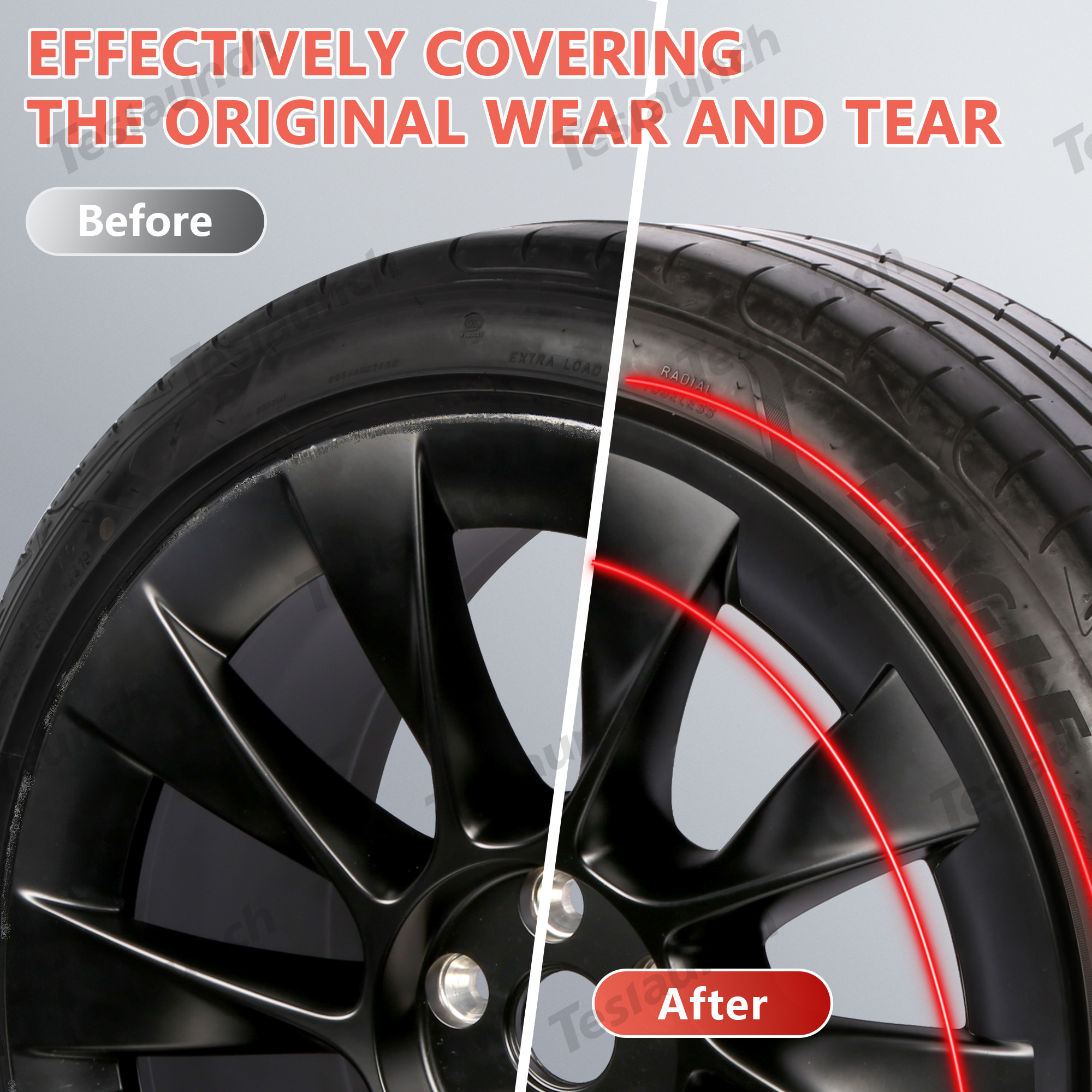
What Makes Off-Road Vehicle Wheels Vulnerable?
Off-road wheels are exposed to harsh conditions that can cause significant damage, including:
- Rough Terrain: Rocks, mud, and uneven surfaces put pressure on your wheels.
- Impact from Obstacles: Bumps, rocks, and curbs often lead to scratches or dents.
- Environmental Damage: Moisture, salt, and extreme weather conditions can cause rust and corrosion.
Ensuring your off-road vehicle wheels last longer is not just about protecting their appearance; it's about maintaining performance and avoiding costly repairs.
The Impact of Neglecting Wheel Maintenance
Neglecting your wheels can lead to:
- Decreased Performance: Damaged wheels affect handling and stability.
- Increased Repair Costs: Wheel repairs can be expensive, especially for off-road vehicles.
- Safety Risks: Damaged wheels may cause tire blowouts or unsafe driving conditions.
Proper wheel care ensures the safety and performance of your vehicle.
Key Tips to Extend the Life of Your Off-Road Vehicle's Wheels
1. Regular Cleaning and Inspection
Why Cleaning Matters
Regularly cleaning your wheels prevents the buildup of dirt, mud, and salt that can cause corrosion. Mud and salt are particularly damaging and can cause material degradation over time.
Cleaning Tips for Longevity
- Use a Soft Brush: Clean your wheels with a soft brush to avoid scratches.
- Avoid Harsh Chemicals: Harsh chemicals can damage the wheel finish.
- Dry After Cleaning: Always dry your wheels thoroughly to prevent rust from forming.
Regular cleaning reduces the risk of corrosion and ensures your wheels stay in top shape.
2. Protect Your Wheels with Rim Protectors
What Are Rim Protectors?
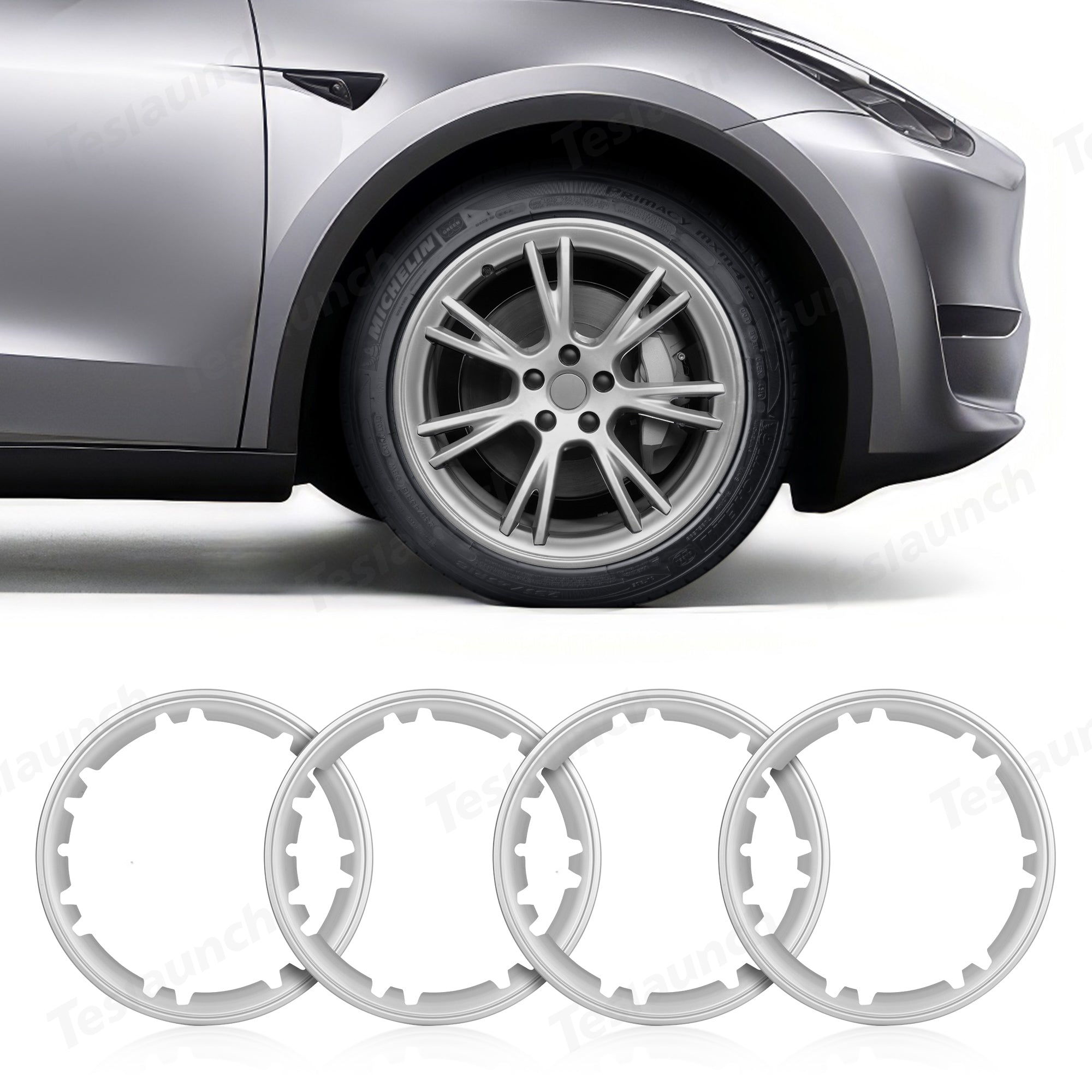
Rim protectors serve as a barrier between your wheel and obstacles, such as curbs, rocks, or debris. They absorb impacts and reduce direct contact between the wheel and harsh surfaces.
Types of Rim Protectors
- Clip-on Rim Protectors: Easy to install and provide adequate protection.
- Adhesive Rim Guards: Mounted with strong automotive adhesive for a seamless look.
- Integrated Tire and Rim Protectors: Built into the tire, offering complete protection for the wheel's edge.
Rim protectors help reduce damage caused by everyday obstacles.

3. Monitor Tire Pressure Regularly
How Tire Pressure Affects Wheel Longevity
Maintaining the correct tire pressure is crucial for the health of both the tires and wheels. Over or under-inflated tires can put unnecessary strain on the wheels, leading to premature damage.
Tips for Proper Tire Pressure
- Check Regularly: Use a quality tire pressure gauge to check pressure at least once a month.
- Follow Manufacturer Guidelines: Always adhere to the recommended tire pressure for your vehicle as specified by the manufacturer.
Proper tire pressure ensures balanced pressure on your wheels, preventing damage.
4. Protect Against Corrosion
Why Corrosion Is a Concern
Corrosion, especially from salt and moisture, can weaken your wheels and reduce their lifespan. Rust can also affect tire performance, causing them to wear unevenly.
Preventative Measures Against Corrosion
- Use Wheel Wax: Applying wax to your wheels creates a protective layer that shields them against moisture and salt.
- Clean After Exposure: If your vehicle is exposed to road salt or moisture, clean your wheels as soon as possible.
Corrosion protection can be as simple as applying a protective coating to your wheels.
5. Use High-Quality Wheels and Tires
Why Quality Matters
Investing in high-quality wheels and tires designed specifically for off-roading is essential for long-term durability. Alloy wheels and reinforced tires are designed to handle the stresses of off-road driving without compromising wheel integrity.
Tips for Choosing the Best Wheels
- Choose Strong Materials: Aluminum and alloys are excellent choices for off-road vehicles due to their strength and resistance to corrosion.
- Select Reinforced Tires: Opt for tires with reinforced sidewalls and off-road tread patterns to safeguard your wheels against damage.
Quality wheels and tires ensure better performance on rugged terrain.
6. Regularly Check for Wheel Alignment
How Misalignment Affects Wheel Life
Misaligned wheels can cause uneven tire wear and put stress on the wheels. This increases the likelihood of wheel damage and poor performance.
How to Maintain Proper Alignment
- Schedule Regular Checks: Have your wheels aligned at least once a year or after any significant off-road excursion.
- Watch for Symptoms: If your vehicle pulls to one side or if the tire wear appears uneven, it might be time for an alignment.
Wheel alignment helps your wheels last longer and enhances the vehicle's overall handling.
7. Limit High-Impact Driving
Why Impact Matters
While off-roading is all about tackling rough terrain, taking high-speed impacts or reckless driving can significantly shorten the lifespan of your wheels. Hitting large rocks or jumping obstacles at high speed can lead to immediate wheel damage.
Tips for Limiting High-Impact Driving
- Slow Down on Rough Terrain: When approaching rocks or obstacles, reduce speed to minimize impact on your wheels.
- Avoid High-Speed Jumps: Don't push your vehicle to the limit on rough roads—take it slow to reduce strain on the wheels.
Taking care when driving off-road can prevent unnecessary damage to your wheels.
8. Proper Storage for Your Vehicle
Why Storage Conditions Matter
If you're not using your vehicle for an extended period, proper storage can protect your wheels from environmental factors that can lead to damage, such as moisture or extreme temperatures.
Storage Tips
- Store in a Dry, Cool Place: Avoid humidity and extreme temperature fluctuations that could cause rust and corrosion.
- Elevate the Vehicle: If storing for an extended period, elevate the vehicle's wheels off the ground to prevent pressure from building up.
Proper storage helps maintain the condition of your wheels when they are not in use.
When to Replace Your Off-Road Vehicle's Wheels
Signs It's Time to Replace Your Wheels
Even with the best care, your wheels will eventually wear out. Common signs include:
- Cracks or Dents: Any visible damage to the rim requires immediate attention.
- Excessive Rust: Severe corrosion that can't be cleaned or treated should be addressed by replacing the wheels.
- Bent or Misshapen Wheels: Wheels that are no longer round may cause uneven tire wear or poor vehicle handling.
Replacing your wheels before damage becomes critical will save you from more expensive repairs.
Conclusion: Protect Your Investment
Your off-road vehicle wheels are built for performance, but they require maintenance to ensure they last. Regular cleaning, maintaining proper tire pressure, ensuring wheel alignment, and implementing quality protection measures, such as rim protectors, can significantly extend the lifespan of your wheels. By taking proactive care of your wheels, you ensure a safer, more reliable off-road experience while saving money on repairs in the long run.