Πώς το ανθρακονήμα βελτιώνει την αισθητική και την αεροδυναμική του Tesla
Ίνες άνθρακα είναι μια επαναστατική τεχνολογία στον κόσμο της αυτοκινητοβιομηχανίας, προσφέροντας μια τέλεια ισορροπία δύναμης και ελαφρότητας. Για τους ιδιοκτήτες Tesla, αυτό το υλικό όχι μόνο ενισχύει την απόδοση αλλά προσθέτει και μια κομψή, μοντέρνα εμφάνιση. Ενώ η Tesla χρησιμοποιεί ίνες άνθρακα επιλεκτικά στα οχήματά της, η κατανόηση των πρακτικών οφελών της—τόσο στη αεροδυναμική όσο και στο σχεδιασμό—είναι το κλειδί.

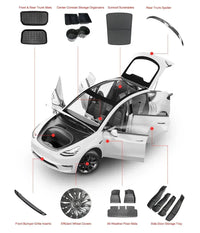
Επίσημοι Σπόιλερ Ίνας Άνθρακα Tesla & Αξεσουάρ
Η Tesla προσφέρει επίσημα μια επιλογή από μέρη ίνας άνθρακα που ενισχύουν τόσο την αισθητική όσο και τις επιδόσεις των αυτοκινήτων της. Αυτά τα μέρη είναι συνήθως διαθέσιμα ως αναβαθμίσεις ή αξεσουάρ για συγκεκριμένα μοντέλα.
Σπόιλερ Ίνας Άνθρακα για Tesla Model 3, Model Y και Model S
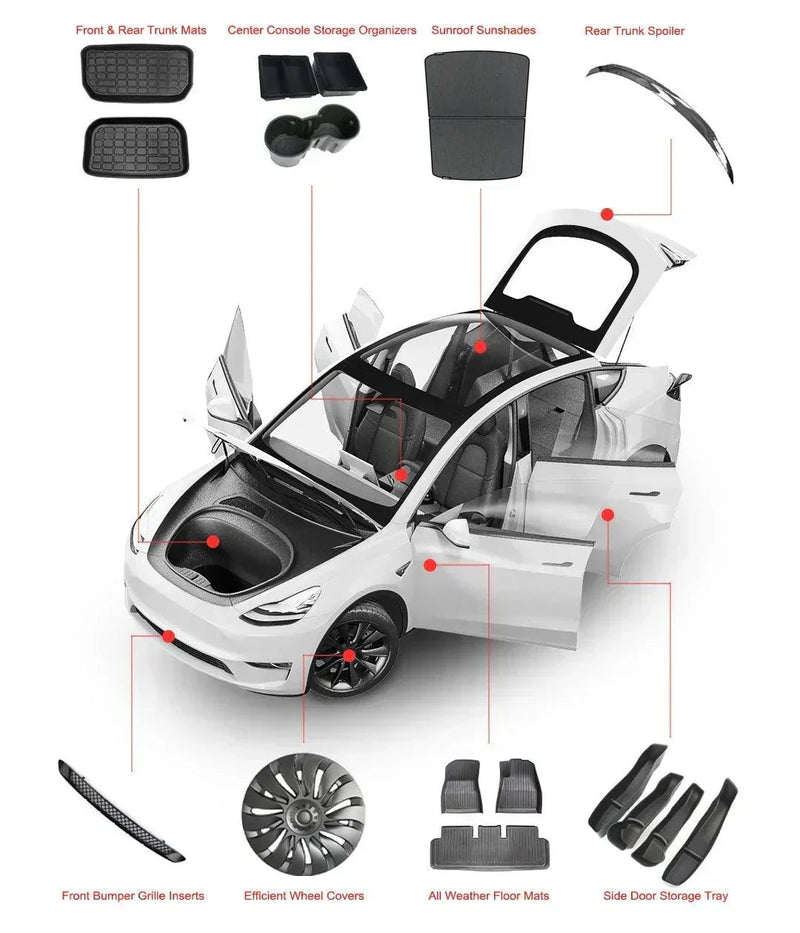
Το πιο κοινό επίσημο αξεσουάρ ίνας άνθρακα για τα οχήματα Tesla είναι το πίσω σπόιλερ. Για παράδειγμα, το Σπόιλερ Ίνας Άνθρακα Model 3 έχει σχεδιαστεί για να βελτιώνει την αεροδυναμική σε υψηλές ταχύτητες. Αυτό το σπόιλερ παρέχει μια ελαφριά αύξηση της δύναμης κατακόρυφα, βοηθώντας το όχημα να διατηρεί καλύτερη σταθερότητα στο δρόμο.
Η Tesla προσφέρει επίσης διακοσμητικά μέρη από ίνες άνθρακα, όπως το Διακοσμητικό Φτερό Ταμπλό για το Model S, το οποίο όχι μόνο προσθέτει μια κομψή, μοντέρνα εμφάνιση στο εσωτερικό αλλά και ευθυγραμμίζεται με την μινιμαλιστική αισθητική της Tesla.
Αυτά τα επίσημα μέρη από ίνες άνθρακα έχουν σχεδιαστεί για να είναι άμεσες αντικαταστάσεις ή βελτιώσεις, παρέχοντας μια αύξηση στην απόδοση χωρίς να διακυβεύεται η ακεραιότητα του οχήματος. Ωστόσο, αυτά τα μέρη είναι γενικά περιορισμένα σε αξεσουάρ και δεν αποτελούν μέρος της βασικής δομής του αυτοκινήτου.
Καλύτερες Μεταχειρισμένες Ίνες Άνθρακα για Model 3/Y/S
Ενώ η Tesla προσφέρει κάποια μέρη από ίνες άνθρακα, πολλοί ιδιοκτήτες Tesla στρέφονται σε μεταχειρισμένες εταιρείες για περαιτέρω προσαρμογή. Μάρκες όπως Unplugged Performance, T Sportline, και RPM Tesla παρέχουν μια ευρεία γκάμα αναβαθμίσεων από ίνες άνθρακα, όπως:
- Μπροστινά Σπλίτερ
- Πλευρικά Σκίρτ (2024 Model 3)
- Πάνελ Κάτω Μέρους
- Διαχύτες Ίνας Άνθρακα (Tesla Model Y Juniper 2025+)
Αυτά τα μέρη έχουν σχεδιαστεί για να βελτιώνουν την αεροδυναμική της Tesla, κάνοντάς τα πιο οπτικά επιθετικά και προσανατολισμένα στην απόδοση. Οι μεταχειρισμένες συνιστώσες από ίνες άνθρακα είναι συνήθως πιο εκτενείς από τις επίσημες επιλογές της Tesla και μπορούν να προσαρμοστούν για να ταιριάζουν σε ατομικές προτιμήσεις στυλ.
Αεροδυναμική: Πώς Λειτουργούν οι Αναβαθμίσεις Ίνας Άνθρακα Μεταχειρισμένων
Αυτά τα aftermarket μέρη μπορούν να βελτιώσουν σημαντικά την αεροδυναμική του αυτοκινήτου. Για παράδειγμα, οι μπροστινές διαχωριστικές ίνες άνθρακα βοηθούν στη διαχείριση της ροής του αέρα κάτω από το αυτοκίνητο, μειώνοντας την ανύψωση και βελτιώνοντας την κατακόρυφη δύναμη. Οι πλευρικές φτερούγες και τα πάνελ κάτω από το αμάξωμα συμβάλλουν επίσης σε πιο ομαλή ροή αέρα, ενισχύοντας περαιτέρω την αποδοτικότητα και τη σταθερότητα σε υψηλές ταχύτητες.
Κέρδη Απόδοσης με Aftermarket Μέρες Ίνας Άνθρακα
Αν και τα αυτοκίνητα Tesla, ειδικά μοντέλα όπως το Model S Plaid και το Model Y Performance, έχουν ήδη υψηλές επιδόσεις, η προσθήκη aftermarket μερών από ίνες άνθρακα μπορεί να βελτιώσει περαιτέρω την οδήγηση και τη σταθερότητα του αυτοκινήτου.
Για παράδειγμα, η μείωση του συνολικού βάρους του οχήματος, ιδιαίτερα σε περιοχές όπως η μπροστινή διαχωριστική και οι πλευρικές φτερούγες, μπορεί να ενισχύσει σημαντικά την ευκινησία και την οδήγηση, κάνοντάς το Model Y Performance ακόμη πιο ευαίσθητο στο δρόμο.

Βελτιώνει πραγματικά οι Ίνες Άνθρακα την Αυτονομία της Tesla;
Μία από τις κοινές αξιώσεις σχετικά με τις ίνες άνθρακα είναι ότι μειώνουν το βάρος, το οποίο, με τη σειρά του, ενισχύει την αποδοτικότητα και την αυτονομία του οχήματος. Αν και αυτό ισχύει σε κάποιο βαθμό, η επίδραση των ινών άνθρακα στην συνολική αυτονομία μιας Tesla είναι ελάχιστη σε σύγκριση με άλλους παράγοντες, όπως το μέγεθος της μπαταρίας και το στυλ οδήγησης.
- Μείωση Βάρους: Τα μέρη από ίνες άνθρακα είναι σημαντικά ελαφρύτερα από τα αντίστοιχα από χάλυβα ή αλουμίνιο. Για παράδειγμα, μια πίσω αεροτομή από ίνες άνθρακα μπορεί να μειώσει το βάρος κατά 3-5 λίβρες. Αν και αυτή η μείωση συμβάλλει στη συνολική εξοικονόμηση βάρους, η επίδραση στην αυτονομία είναι γενικά μικρή.
- Επίδραση στην Αυτονομία: Τα ηλεκτρικά οχήματα της Tesla έχουν σχεδιαστεί με γνώμονα την αποδοτικότητα. Αν και τα ελαφριά μέρη, όπως οι ίνες άνθρακα, συμβάλλουν στη συνολική αποδοτικότητα, οι πιο σημαντικές βελτιώσεις στην αυτονομία προέρχονται συνήθως από τη βελτιστοποίηση της τεχνολογίας μπαταρίας και των συστημάτων διαχείρισης ενέργειας. Οι αναβαθμίσεις από ίνες άνθρακα θα πρέπει να θεωρούνται ως μέρος μιας μεγαλύτερης βελτίωσης απόδοσης και αισθητικής, παρά ως κύριο μέσο αύξησης της αυτονομίας.

Κόστος Αναβαθμίσεων Ίνας Άνθρακα για Tesla
Οι επίσημες αναβαθμίσεις από ίνες άνθρακα της Tesla είναι σχετικά προσιτές σε σύγκριση με τα aftermarket μέρη από τρίτους προμηθευτές. Για παράδειγμα:
- Επίσημη Αεροτομή Ίνας Άνθρακα για Model 3: $300-$800, ανάλογα με το μοντέλο.
- Aftermarket Πλήρη Κιτ Ίνας Άνθρακα: Αυτά μπορεί να κοστίζουν $1000 ή περισσότερο, ανάλογα με τα περιλαμβανόμενα εξαρτήματα.
Αξίζει το Κόστος;
Τα κύρια οφέλη αυτών των εξαρτημάτων από ανθρακονήματα είναι η οπτική τους απήχηση και οι πιθανές αεροδυναμικές βελτιώσεις. Ενώ το κόστος αναβαθμίσεων από ανθρακονήματα μπορεί να είναι υψηλό, προσθέτουν ένα επίπεδο αποκλειστικότητας και βελτίωσης απόδοσης που ελκύει τους ενθουσιώδεις και τους ιδιοκτήτες που αναζητούν ένα μοναδικό, υψηλής απόδοσης Tesla.
Ανταλλακτικά vs Επίσημα Εξαρτήματα Ανθρακονημάτων Tesla: Μια Σύγκριση
| Πτυχή | Επίσημα Εξαρτήματα Ανθρακονημάτων Tesla | Ανταλλακτικά Εξαρτήματα Ανθρακονημάτων |
|---|---|---|
| Κόστος | $300-$800 | $1000+ |
| Αισθητική Επίδραση | Διακριτική, ενσωματωμένη στο σχέδιο της Tesla | Πιο επιθετική και προσαρμόσιμη |
| Κέρδη Απόδοσης | Μικρή βελτίωση στη σταθερότητα | Σημαντικές βελτιώσεις απόδοσης |
| Εγγύηση | Καλύπτεται από την εγγύηση της Tesla | Μπορεί να μην καλύπτεται από την εγγύηση της Tesla |
| Κόστη Επισκευής | Οικονομική αντικατάσταση εξαρτημάτων | Ακριβές επισκευές, τα εξαρτήματα μπορεί να χρειάζονται πλήρη αντικατάσταση |

Πλεονεκτήματα και Μειονεκτήματα του Ανθρακονήματος για την Tesla
Ενώ το ανθρακόνημα είναι ένα εξαιρετικό υλικό, έχει επίσης τα πλεονεκτήματα και τα μειονεκτήματά του. Ακολουθεί μια λεπτομερής σύγκριση:
Πλεονεκτήματα του Ανθρακονήματος για την Tesla
- Βελτιωμένη Αεροδυναμική: Τα εξαρτήματα από ανθρακονήματα, όπως οι αεροτομές και οι διαχωριστές, ενισχύουν τη ροή του αέρα, επιτρέποντας στο αυτοκίνητο να λειτουργεί πιο αποδοτικά σε υψηλές ταχύτητες.
- Ελαφρύ: Μειώνει το βάρος, το οποίο μπορεί να βελτιώσει ελαφρώς τη χειριστικότητα και την ευκινησία.
- Αισθητική Απήχηση: Προσθέτει μια υψηλής ποιότητας, premium εμφάνιση στο αυτοκίνητο.
- Ανθεκτικότητα: Το ανθρακόνημα είναι ανθεκτικό στη διάβρωση, γεγονός που το καθιστά πιο ανθεκτικό από τα μεταλλικά εξαρτήματα.
Μειονεκτήματα του Ανθρακονήματος για την Tesla
- Κόστος: Τα εξαρτήματα από ανθρακονήματα, ειδικά τα aftermarket, είναι ακριβά.
- Επισκευή και Συντήρηση: Εάν τα εξαρτήματα από ανθρακονήματα υποστούν ζημιά, συχνά απαιτούν αντικατάσταση, καθώς η επισκευή ρωγμών μπορεί να είναι δαπανηρή.
- Περιορισμένη Επίδραση στην Αυτονομία: Αν και το ανθρακόνημα μειώνει το βάρος, η συνολική βελτίωση στην αυτονομία είναι ελάχιστη σε σύγκριση με άλλους παράγοντες, όπως η τεχνολογία μπαταριών.
Πρέπει να Επιλέξετε Ανθρακόνημα για την Tesla σας;
Τελικά, το αν το ανθρακόνημα αξίζει την επένδυση εξαρτάται από τις προτεραιότητές σας. Εάν εκτιμάτε ένα κομψό, υψηλής απόδοσης όχημα και είστε διατεθειμένοι να πληρώσετε για αυτές τις βελτιώσεις, το ανθρακόνημα είναι μια φανταστική επιλογή. Αλλά αν η κύρια ανησυχία σας είναι η μεγιστοποίηση της αυτονομίας ή η ελαχιστοποίηση του κόστους, τα οφέλη του ανθρακονήματος μπορεί να μην δικαιολογούν την δαπάνη.
Η προσεκτική ζύγιση των αισθητικών και επιδόσεων βελτιώσεων σε σχέση με το κόστος και τις πιθανές ανάγκες επισκευής θα σας βοηθήσει να αποφασίσετε αν αυτή η αναβάθμιση ευθυγραμμίζεται με τους στόχους σας ως ιδιοκτήτης Tesla.